Signs It's Time to Upgrade Your Communication System
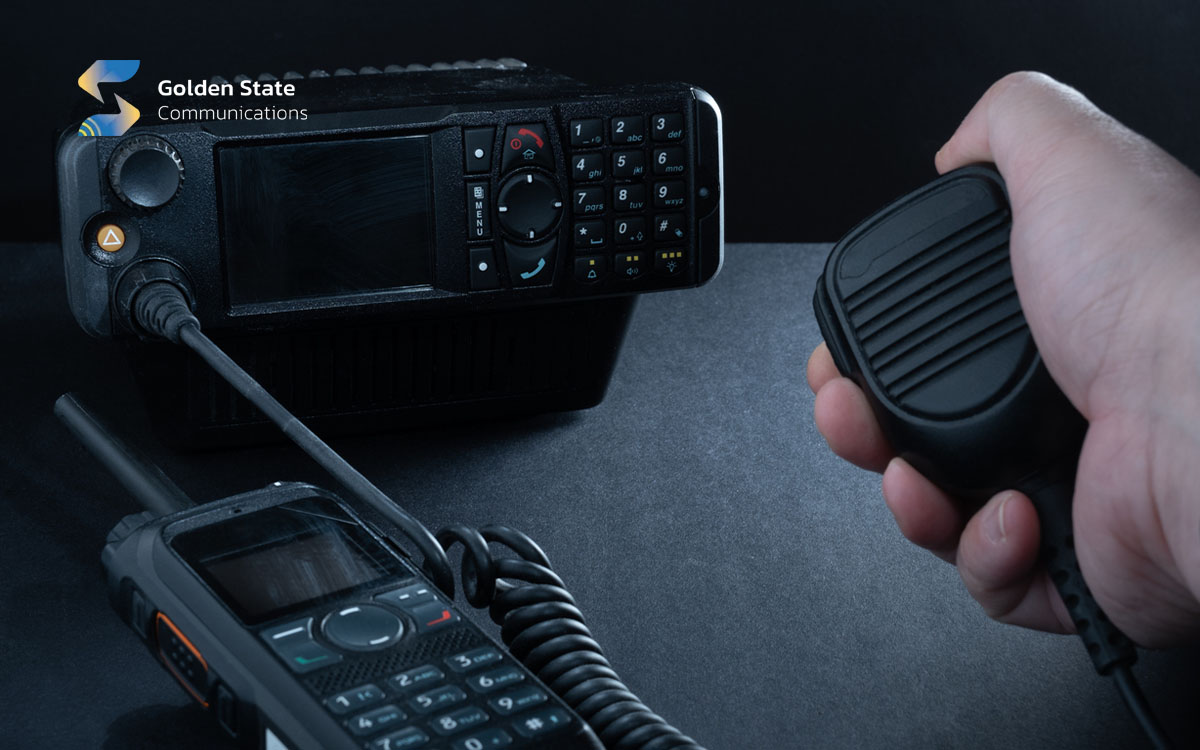
In high-stakes environments like security patrols and large-scale events, silence can become a liability. Many organizations rely on legacy radio communication systems that are nearing end-of-life, resulting in static, dead zones, and battery failures during critical moments. If your security team can't communicate instantly, then safety is compromised.
Spotting the warning signs of a failing system early can help prevent operational breakdown. Here's how to know when it's time to upgrade communication systems and ensure your team stays connected, compliant, and protected.
1. Coverage Gaps Are Compromising Safety
More than minor annoyances, frequent static or dropped signals in dead zones can become safety hazards. For security professionals, a missed call during an incident can escalate liability. For event planners, it can result in logistical confusion and delayed responses. With 56% of workers not feeling safe at work, it's important to know when to upgrade two-way radios to protect your staff.
Modern digital two-way radio systems are designed to eliminate these issues. Benefits of upgrading to two-way radios include:
- Expanded coverage that eliminates dead zones across complex environments.
- Crystal-clear digital audio that cuts through noise and reduces miscommunication.
- Stronger signal reliability in buildings, basements, and crowded venues.
- Scalable infrastructure that can grow with your operations.
- Longer battery life that offers double the capacity of older models.
If communication issues are becoming routine, it's time for an upgrade.
2. Maintenance Costs Are Exceeding Replacement Value
Sometimes, repairing outdated equipment costs more than replacing it. If you're constantly buying replacement batteries, searching for discontinued parts, or scheduling repeated service calls, your current system is draining your resources.
Many manufacturers eventually stop supporting older radio models, making emergency fixes more timely and expensive. Upgrading to scalable radio systems often reduces long-term costs by extending your tech's lifespan with higher durability ratings. Instead of reacting to breakdowns after the fact, you're taking proactive measures to ensure long-term function.
3. Your Team Requires More Modern Features
Older radios were built for voice-only communication. However, today's workflow demands a more tech-heavy focus.
Many new systems offer critical safety upgrades like GPS tracking for patrol visibility, including alerts for lone workers and encryption to protect sensitive data. Operational features like text messaging, noise cancellation, and group messaging can all help improve efficiency in loud environments.
If your current equipment lacks these vital features, it's time for an upgrade.
4. You Are Facing Regulatory or Compliance Issues
Outdated communication systems can introduce regulatory and insurance complications. From FCC requirements to industry-specific safety standards, using noncompliant equipment can result in fines of $16,000+ per day, equipment seizure, or even license revocation.
Golden State Communications can serve as your communications compliance partner, ensuring your radio communication system complies with all federal and local regulations, protecting both your reputation and your staff.
5. Growth Is Outpacing Your System’s Capacity
Old analog systems have hard limits on users and channels, leading to congestion as teams grow or events get larger.
Modern systems, however, are built for scalability. Digital radio systems support advanced channel management, multisite connectivity, and cloud-based coordination. For event planners, knowing when to upgrade communication system setups could involve switching to a rental model, allowing you to source large units instantly for large-scale events.
Upgrade With Golden State Communications
As organizations expand, communication systems must scale with them. At Golden State Communications, we offer a range of equipment featuring crystal-clear audio, modern IMPRES battery technology that lasts for full shifts, and on-site troubleshooting.
Don't wait for a system failure to act — the safety of your personnel and event success depend on the reliability of your tools. Get in touch with Golden State Communications today for a comprehensive system audit.

Since 1992, Golden State Communications, Inc. and Communications Rental Service have specialized in on-site, 2-way communications solutions. We represent over 5,000 companies and organizations nationwide, including large global tech companies, professional sporting venues, large stadium venues, hospitals, schools, prestigious educational campus institutions, and large music and festival events.

Quick Links
Contacts
Golden State Communications, Inc.
978 Rincon Circle
San Jose, CA 95131
Toll Free: 800-774-6535
Phone: 408-558-2700
Fax: 408-558-2719
Golden State Communications, Inc.
1255 Stone Drive, Suite A
San Marcos, CA 92078
Phone: 619-537-8143
Golden State Communications, Inc.
11175 Azusa Ct, Ste #110
Rancho Cucamonga, Ca. 91730
Toll Free: 866-952-5758